
Cultural Heritage Entrepreneurship (CHE)
1. What is CHE and what are its main elements?
1.1. Introduction
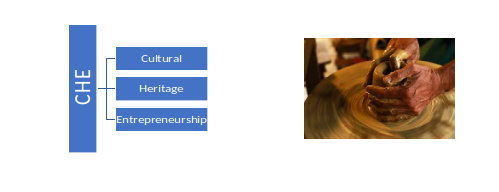
Figure 1 Source: https://pxhere.com/en/photo/641457
Cultural Heritage can be summarized as:
tangible culture property (building, books, monuments, works of art, artefacts, landscapes);
intangible and digital culture heritage (language and knowledge, folklore, oral history, traditions customs, aesthetic and spiritual beliefs) which are more difficult to preserve in comparison with physical cultural goods;
cultural natural heritage (countryside, natural environment, flora and fauna, bio and geo diversity, cultural landscape which is an important part of tourist industry).
As already mentioned in Unit 1, Cultural Heritage can be distinguished in:
• built environment (Buildings, Townscapes, Archaeological remains)
• natural environment (rural landscapes, coasts and shorelines, agricultural heritage)
• artefacts (books & documents, objects, pictures)
The main elements of CHE to be evaluated are:
• Importance for regeneration and economic and social sustainable development of the area, at macro, micro, national, regional, European and international levels on short, medium and long terms. Although this is difficult to predict at the initial stage of the business idea, it is useful to put this type of questions even so early as this in order to put in place procedures that are tuned towards this direction.
• The knowledge absorption capacity vis-à-vis the “state-of-the-art” level and interconnectivity with other economic, social and cultural domains in supporting innovation, competitiveness and good practices. Learning and innovativeness are main components of social enterprises and solidarity- cooperation and networking with other organisations of the third sector are a key element that will assure their existence and the creation of job positions.
• As a complex, social, economic, environmental and knowledge asset, CH requires specific approaches and evaluation criteria based on public-private partnership which needs the maximisation of its positive externalities (marginal external benefits) on different time-horizon, at local, European and international levels.